

09 Sep Weight-Bearing After Limb Lengthening: What to Expect, Week by Week
One of the most common practical questions patients ask before limb lengthening surgery is simple: when will I be able to walk normally again? The honest answer is that weight-bearing is a gradual process tied directly to how the new bone is healing, not a fixed calendar date — but there is a general pattern most patients follow.
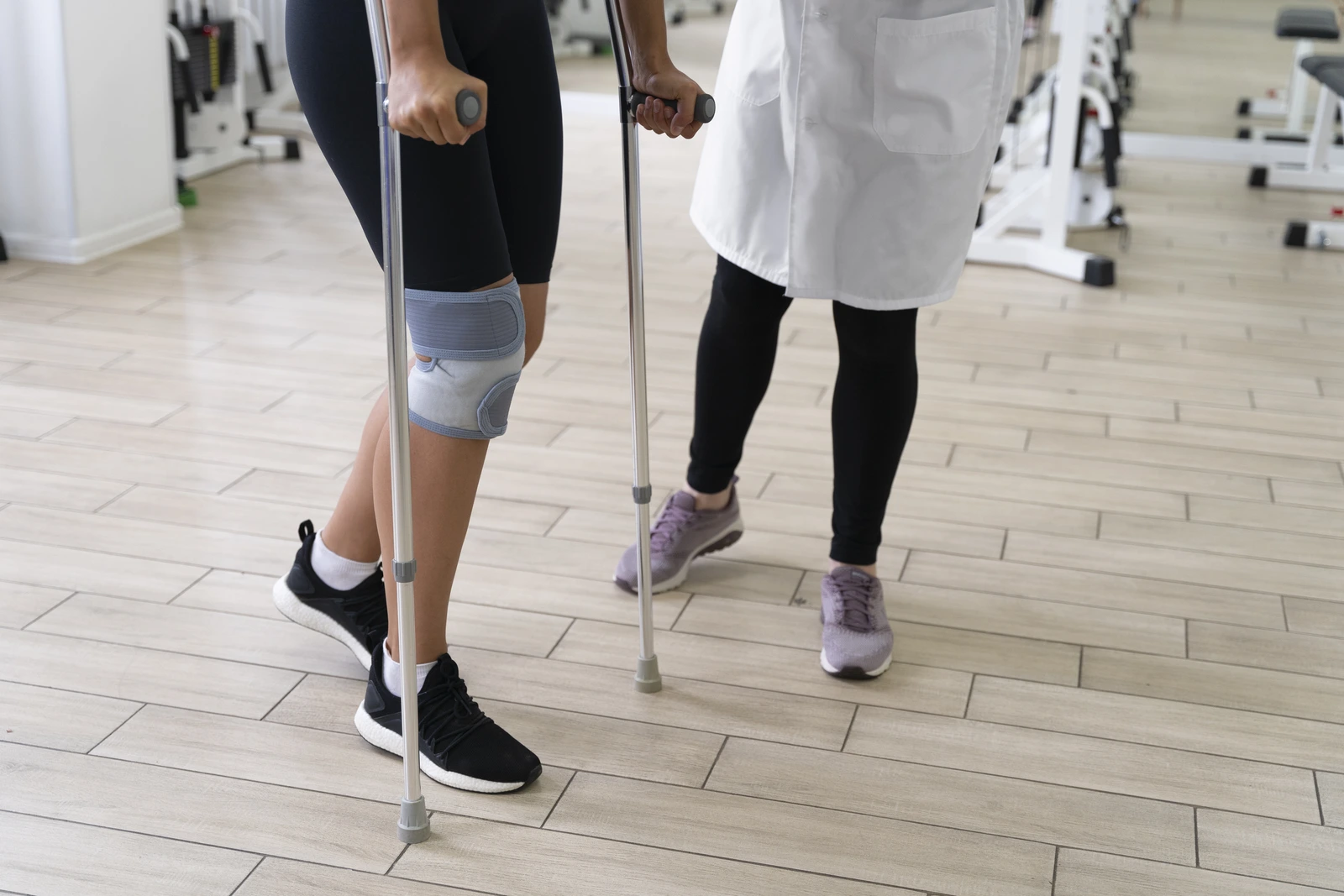
In the first one to two weeks after surgery, patients are typically on crutches or a walker with protected, partial weight-bearing on the operated leg, while the initial surgical healing settles and the lengthening phase begins. As the lengthening phase progresses over the following weeks, activity is generally kept conservative and partial weight-bearing continues — enough movement to maintain joint mobility and circulation, without loading the leg heavily, since the new bone in the gap (the regenerate) is still soft and forming.
Once the target lengthening amount is reached, the leg enters the consolidation phase. This is when the regenerate bone is maturing and hardening, and it’s usually the phase where weight-bearing is progressively increased — moving from partial weight-bearing with crutches, to weight-bearing as tolerated, to eventually walking unassisted. The pace of this progression is guided by periodic X-rays that show how much of the regenerate has calcified and hardened, combined with the patient’s comfort level.
Full, unrestricted weight-bearing is typically only cleared once X-rays confirm the regenerate has matured on at least three of four cortical surfaces of the bone, but this also depends on the surgeon’s experience and their assessment of whether the new bone is strong enough to handle normal daily loads without risk of fracture or bending.
It’s worth noting that weight-bearing tolerance also depends on which nail (Precice vs. PMax) and nail diameter was used, which bone was lengthened (femur versus tibia), the total amount of lengthening, and individual healing rate, so timelines vary meaningfully between patients. Physiotherapy plays a central role throughout this process, helping patients regain normal walking mechanics rather than compensatory patterns developed during the protected phases.
This article is for general educational purposes only and does not constitute medical advice. Every patient’s anatomy, goals, and treatment plan are different. Please consult a qualified orthopedic surgeon to discuss whether any procedure described here is appropriate for you.