

29 Sep Choosing a Surgeon for Limb Lengthening
Limb lengthening is a niche, technically demanding subspecialty of orthopedic surgery, and the surgeon’s specific experience with this exact procedure matters more than general orthopedic credentials alone. Knowing what to look for can make the difference between a smooth process and a frustrating one.
Case volume and specific experience are the starting point. Limb lengthening — whether for cosmetic height increase, LLD, or deformity correction — requires judgment that’s built through repetition: knowing how a given patient’s bone and soft tissue will respond, recognizing early signs that a lengthening rate needs adjusting, and managing complications quickly if they arise. A surgeon who performs this procedure regularly, rather than occasionally alongside a broader general practice, has generally seen a wider range of scenarios and is better positioned to handle whatever comes up.
That said, cosmetic limb lengthening is a genuinely different practice from treating limb length discrepancies or unilateral lengthening cases. Managing cosmetic patients well — from post-op care and physiotherapy to weight-bearing progression and anticoagulation protocols — draws on experience that’s specific to this population and doesn’t automatically transfer from LLD or deformity-correction work. Choosing a surgeon whose practice has a substantial cosmetic limb lengthening caseload is important and can affect outcomes.
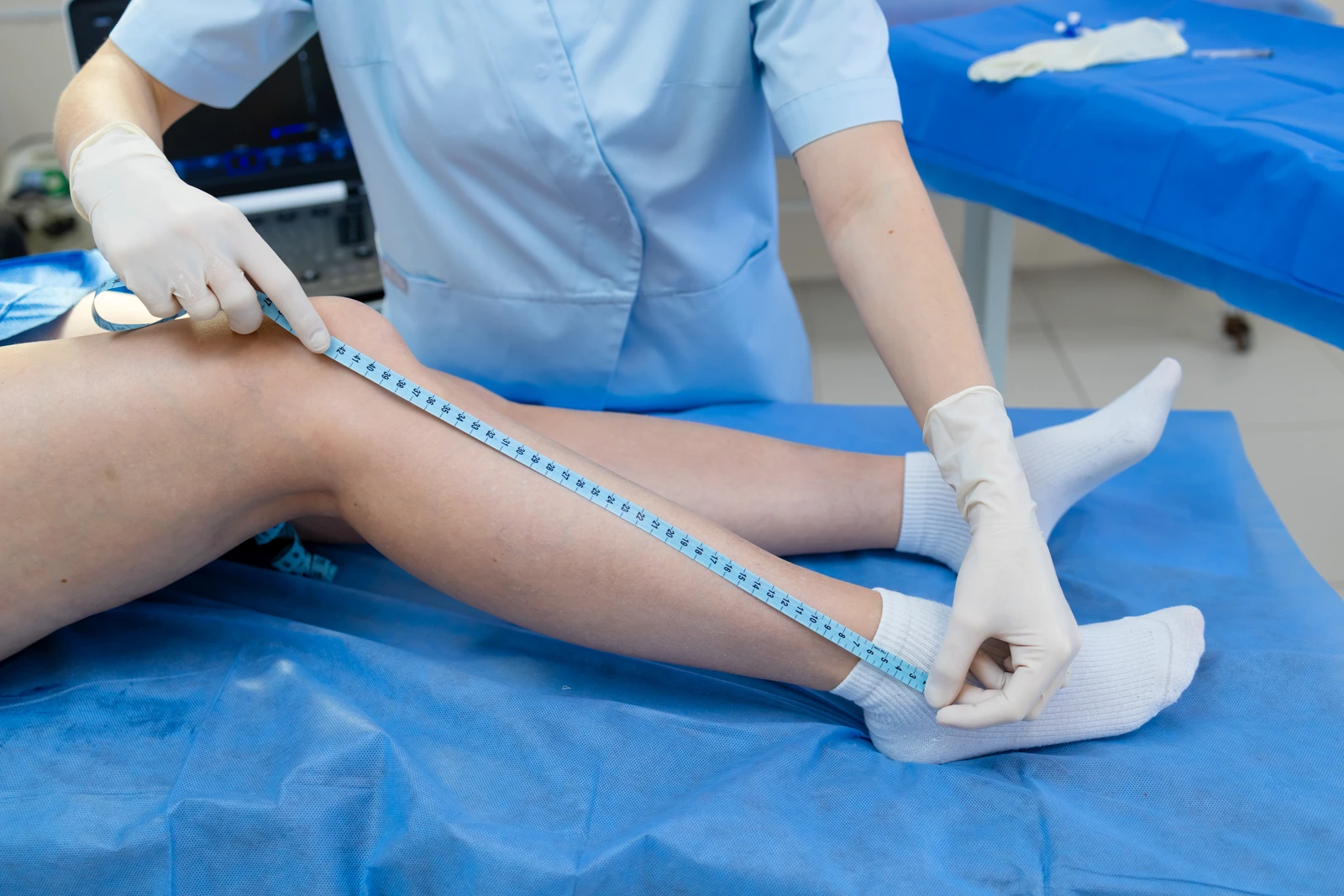
It’s also worth understanding a surgeon’s approach to planning. A thorough consultation should include a detailed physical exam and imaging (not just a visual assessment), a clear explanation of which bones would be lengthened and why, a realistic discussion of expected outcomes rather than a fixed guaranteed number, and a candid conversation about risks and how they’re monitored. Surgeons confident in their process are typically the ones most willing to walk through all of this in detail rather than rushing to a surgical date.
Facility and team matter too. Limb lengthening isn’t just a single operation — it’s an extended process involving frequent follow-up imaging, physiotherapy coordination, and availability if a question or concern comes up during the months of recovery. Understanding what the aftercare structure actually looks like, and who’s available if something needs attention outside a scheduled visit, is a practical and important part of the decision. That’s why at CLLC we have a dedicated team solely for our limb lengthening patients, including nurses, physiotherapists, and administrative staff to support you along the way.
Finally, it’s worth asking directly about outcomes and complication rates, and being wary of any practice unwilling to discuss this openly, or one that promises guaranteed results without a full individual evaluation. A good consultation should leave a patient feeling informed, not sold to.
This article is for general educational purposes only and does not constitute medical advice. Every patient’s anatomy, goals, and treatment plan are different. Please consult a qualified orthopedic surgeon to discuss whether any procedure described here is appropriate for you.