

11 Sep Recovery Timeline for Cosmetic Height Lengthening
Recovery from cosmetic limb lengthening happens in distinct, overlapping phases, and understanding them helps set realistic expectations for how long the full process actually takes from surgery to normal daily life.
The first phase is the immediate post-operative period, generally the first one to two weeks, focused on pain management, wound healing, and beginning gentle movement to prevent stiffness. This is followed by the lengthening (distraction) phase, where the internal nail is gradually extended over a period of weeks to months — the exact duration depends on how many centimeters are being gained, since lengthening happens at a slow, controlled daily rate to let soft tissue keep pace safely.
After the target length is reached comes consolidation, generally the longest phase of the whole process. This is when the new bone that filled the lengthening gap hardens and matures into solid, load-bearing bone. As a rough guide, surgeons often estimate roughly one month of consolidation for every centimeter lengthened, though this varies by patient, by which bone was lengthened, and by individual bone healing rate. Weight-bearing is progressively increased throughout this phase as X-rays confirm bone maturity.
For cosmetic lengthening, the femoral lengthening phase to reach 8cm typically takes 3-4 months, followed by a consolidation phase with assistive devices for another 3-4 months, then healing and strengthening for a further 3-4 months — with most patients returning to their pre-surgical activity level by around one year. Tibial lengthening follows a similar pattern, but for a 5cm gain. When both bones are combined, most patients undergo femoral lengthening first, followed by tibial lengthening about 6 months after the initial surgery — which extends total recovery to around 12 months before walking without assistive devices, and 18 months before returning to normal activities.
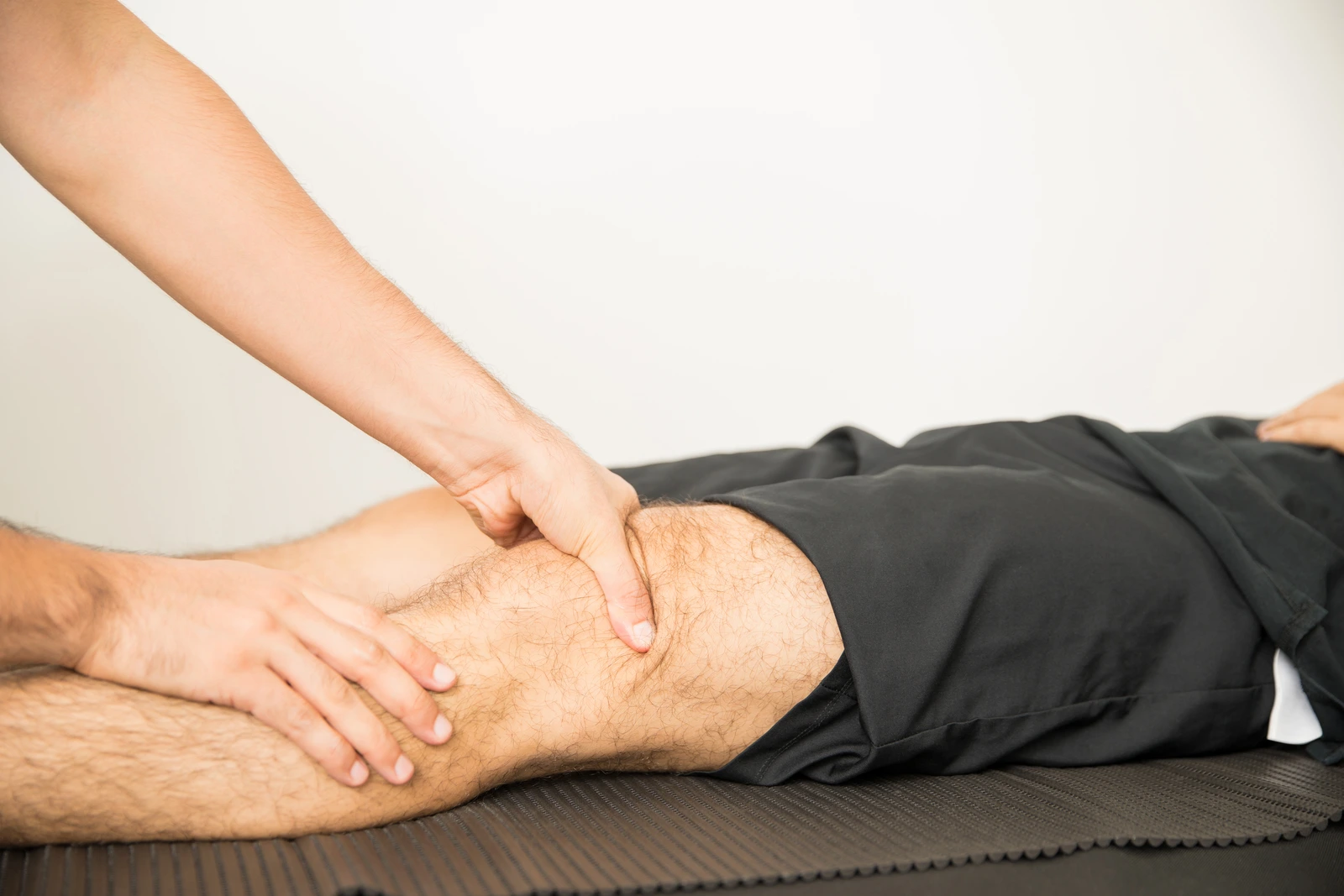
Running alongside all of this — and continuing well after the hardware’s job is largely done — is physiotherapy. Its role shifts over the course of recovery: early on, it focuses on maintaining joint range of motion and preventing contractures while the leg lengthens; later, it shifts to rebuilding muscle strength that was naturally reduced during the slower-activity phases, and retraining normal gait patterns, since many patients develop compensatory walking habits during treatment that need to be actively corrected afterward.
Altogether, from surgery date to returning to full unrestricted activity, the total process commonly spans several months to close to a year or more, depending on how much lengthening was performed and individual healing. Patients planning cosmetic lengthening should think of it less as a single surgery with a short recovery, and more as a structured, multi-phase program that requires ongoing commitment well past the operating room.
This article is for general educational purposes only and does not constitute medical advice. Every patient’s anatomy, goals, and treatment plan are different. Please consult a qualified orthopedic surgeon to discuss whether any procedure described here is appropriate for you.