

31 Aug How We Assess Body Proportions Before Cosmetic Limb Lengthening
Cosmetic limb lengthening isn’t just about adding centimeters — it’s about adding them in a way that keeps the body looking naturally proportioned. That means a thorough proportion assessment is one of the most important parts of pre-surgical planning, arguably more important than the raw height number a patient has in mind.
The assessment typically starts with a few key baseline measurements: standing height, sitting height, and the difference between the two (which reflects leg length relative to torso length). Surgeons also look at the sitting height ratio — the proportion of a person’s height made up by the torso versus the legs — since this ratio, more than absolute height, is what the eye reads as "well-proportioned" or "off." Someone with a naturally long torso and shorter legs will have a different ideal lengthening target than someone whose legs are already proportionally longer.
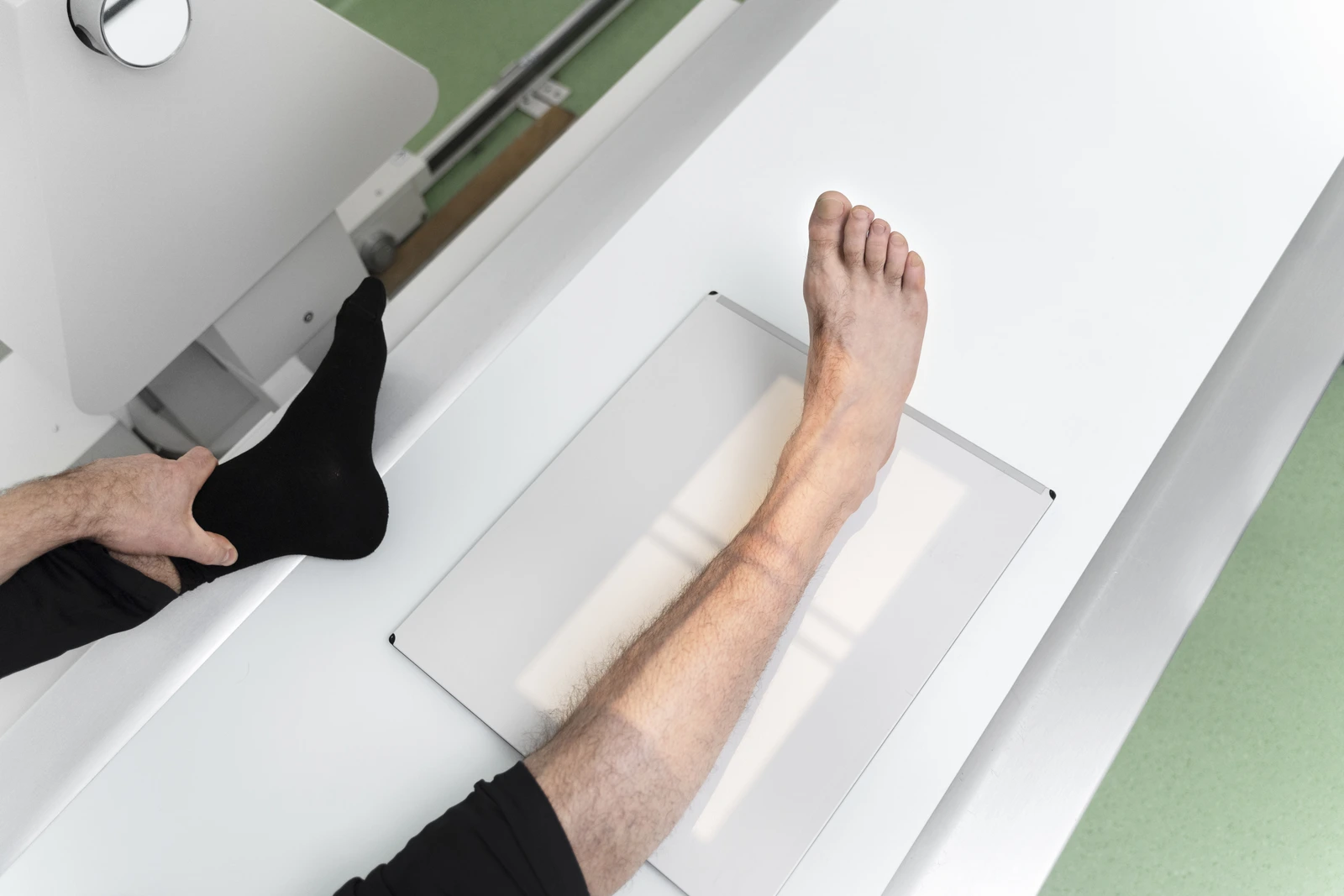
From there, standing full-length X-rays measure the exact length of the femur and tibia on each side. This lets a surgeon calculate the current femur-to-tibia ratio and compare it to established population averages, which helps determine how a given amount of lengthening — and how it’s split between the two bones — will affect overall appearance, not just total height.
Symmetry between the left and right leg is checked as well, since even small pre-existing differences can become more noticeable after lengthening if not accounted for in the plan. Joint alignment (whether the knees and ankles sit in a straight, neutral line) is also assessed, because lengthening surgery is an opportunity to correct any pre-existing mild angular issues at the same time, rather than lengthening a leg that stays out of alignment.
All of this comes together into an individualized plan: which bones to lengthen, how much, and in what sequence, aimed at a result that looks like the patient’s own proportions, just scaled up — not a generic number chosen in isolation.
This article is for general educational purposes only and does not constitute medical advice. Every patient’s anatomy, goals, and treatment plan are different. Please consult a qualified orthopedic surgeon to discuss whether any procedure described here is appropriate for you.